Celebrating our 250th & stepping up for the “Infrastructure of Democracy”
By Dennis Markatos-Soriano, Executive Director
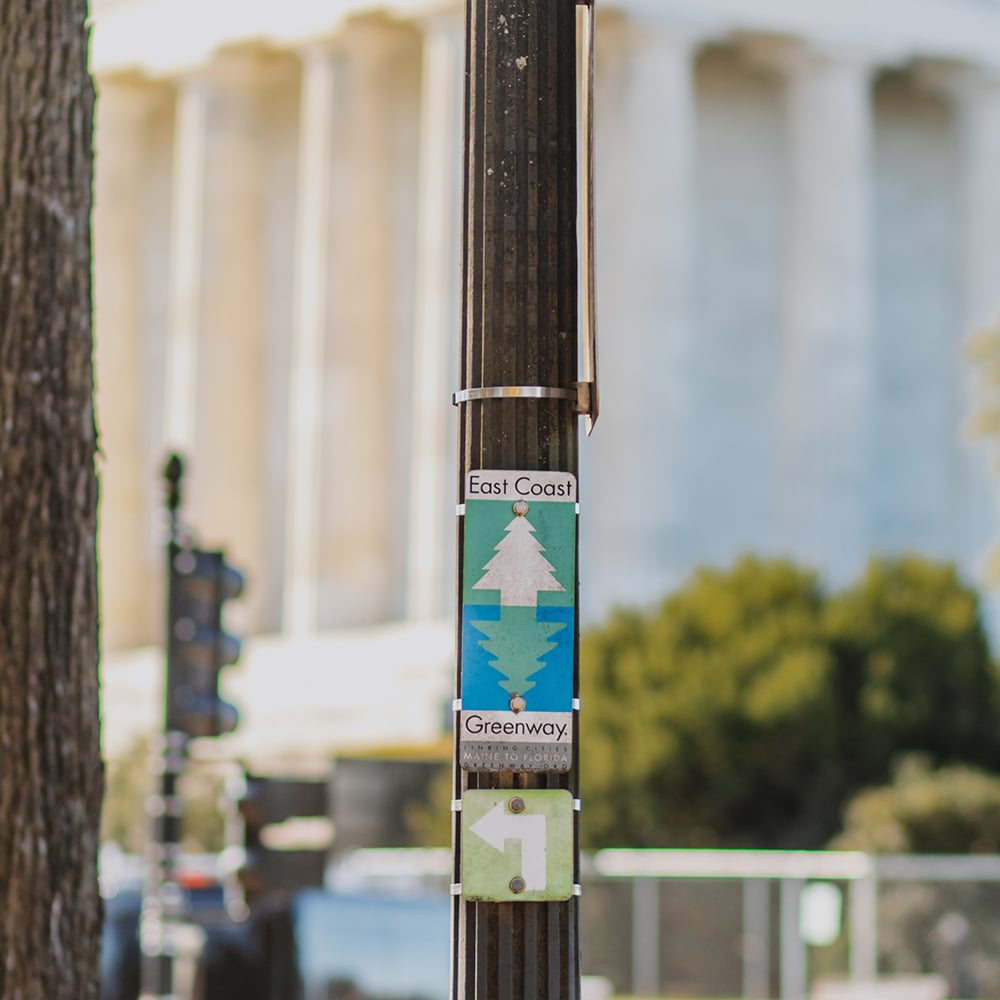
The East Coast Greenway offers a powerful way to explore and celebrate our nation’s history. From the National Museum of the American Indian on the Greenway in Washington, D.C., and Independence Hall in Philadelphia to the Freedom Trail in Boston and the Gullah Geechee Cultural Heritage Corridor in the coastal Southeast, the Greenway connects places that highlight the path of our ancestors and others before us.
As we all know, back in 1776, the Eastern Seaboard of North America was ruled by a king an ocean away. A determined collection of leaders from throughout our region risked it all to declare independence and set in motion a system of government based on the ideal of equality that upheld inalienable rights of “Life, Liberty, and the pursuit of Happiness.” Leaders such as Benjamin Franklin, Thomas Jefferson, and John Hancock who wrote and signed the Declaration of Independence knew deeply of their risk: “our Lives, our Fortunes, and our sacred Honor.”
After years of sacrifice in the Revolutionary War to achieve freedom from tyranny and several more years to develop the beginnings of our democracy, leaders returned to Philadelphia to write and sign the Constitution in 1787, launching our country’s quest to form a “more perfect union.” Two years later, the First Congress of the United States gathered in New York to establish the Bill of Rights, ten key amendments emphasizing critical freedoms that have inspired societal progress around the world for centuries.
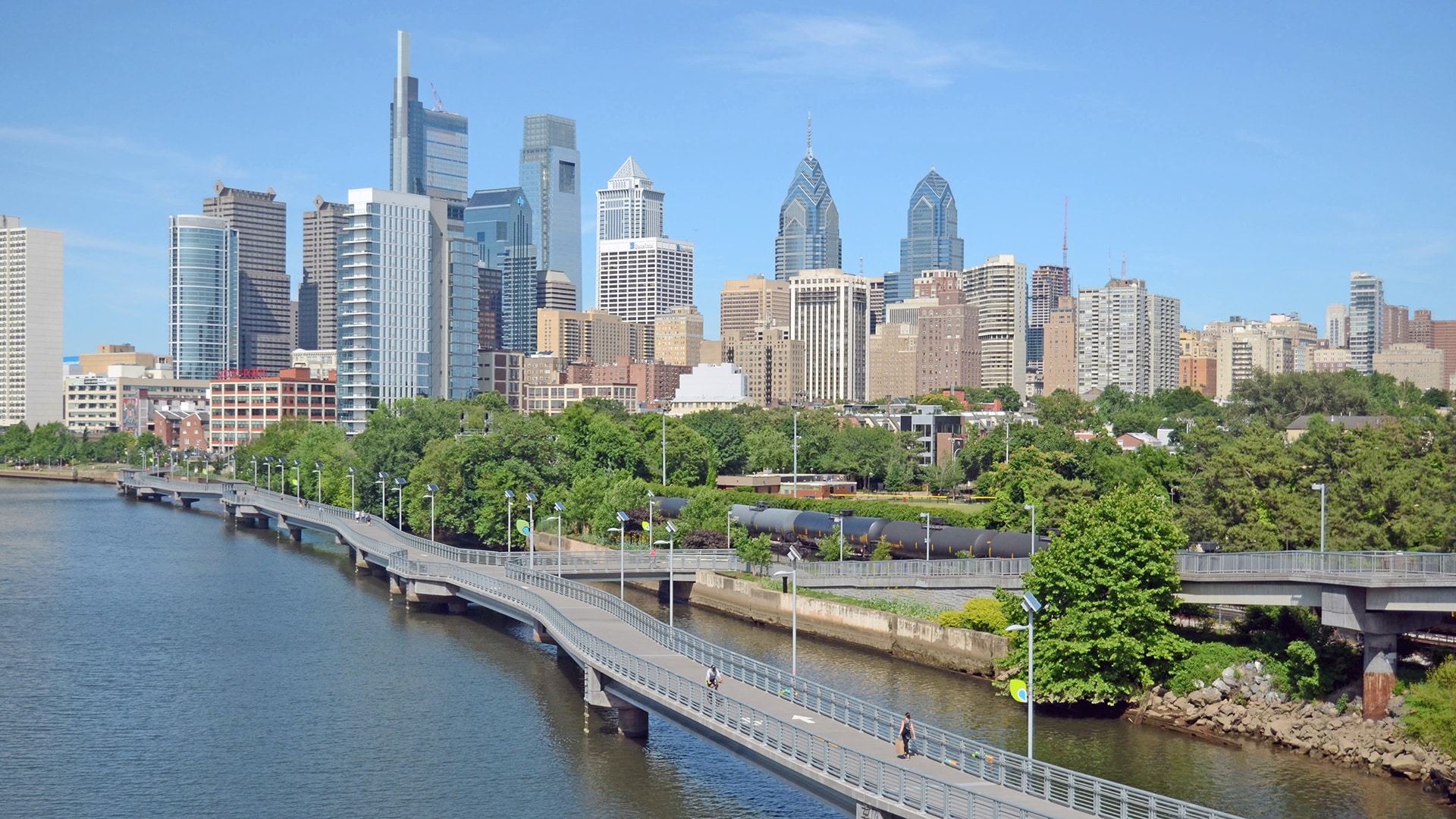
As we mark the 250th anniversary of the Declaration of Independence, we invite everyone to reflect on our shared history and to experience it firsthand in the historic places our Greenway connects. Later this year in Philadelphia, the Alliance will host special America250 programming, including a 17.76-mile walk and bike ride, and a 76-mile biking itinerary with two crossings of the Delaware River, along with living-history elements and site visits. These programs have been made possible by support from the Connelly Foundation, the Philadelphia Funder Collaborative for the Semiquincentennial, the 1772 Foundation, the William Penn Foundation, and generous people like you. More event details will be shared soon.
“By completing a safe and welcoming space for everyone to gather and enjoy being alive, we can restore respect and camaraderie to strive together for a more perfect union and a better tomorrow.”
Meeting our historic moment on the Greenway and beyond
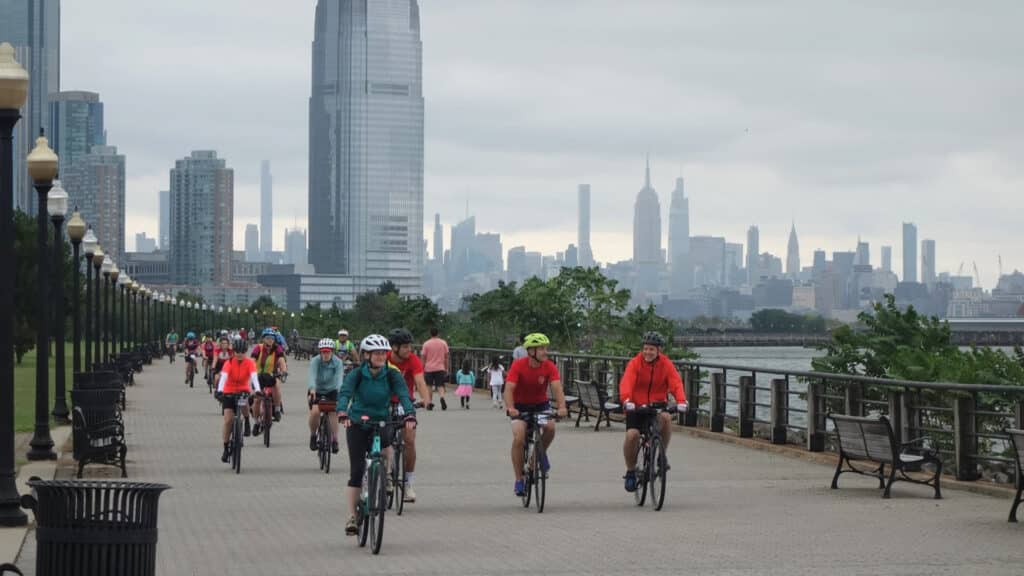
In these divided times, the Greenway is essential public space to defend our freedoms and build a more perfect union. Our longtime partner in the City of Brotherly Love, the William Penn Foundation, has shared wisdom for this historic year. In a recent op-ed in Next City, executive director Shawn McCaney describes public space like greenways and parks as “the infrastructure of democracy” where we can exercise our first amendment right to peaceably assemble. At a time when our communities are too often divided, shared spaces help build understanding, civic engagement, and a sense of belonging.
Indeed, the nonprofit sector and our organization have an important role to play as we explore and celebrate history. Another partner and philanthropic leader in our region, F.M. Kirby Foundation president Justin Kiczek sums up this year’s opportunity well: “America250 presents a generational opportunity to renew commitments to civic engagement, bridge divides between a polarized people, and foster, in the words of Danielle Allen, a ‘reflective patriotism’ in young and old alike.”
History as a personal journey
I’m a proud descendant of French Huguenots, who fled persecution; of English and Scots, who built a future together after centuries of conflict; and of Greeks, who brought delicious recipes and Athenian pride to port cities and beyond. My forbears lived the American Dream, benefitting from a strong economy, increased freedom, and growing democracy that became a more perfect union through struggle.
I have a deep pride in how many of my ancestors stood up during key moments of our nation’s history. From my cousin George Washington (9 generations back) to my grandfather Hudson Milner who served in World War II after he lost his good friend in Pearl Harbor to the civic engagement of my parents during the civil rights and environmental movement advances of the 1960s, 1970s, and beyond (including time with Pete Seeger and Arlo Guthrie by the Hudson River).
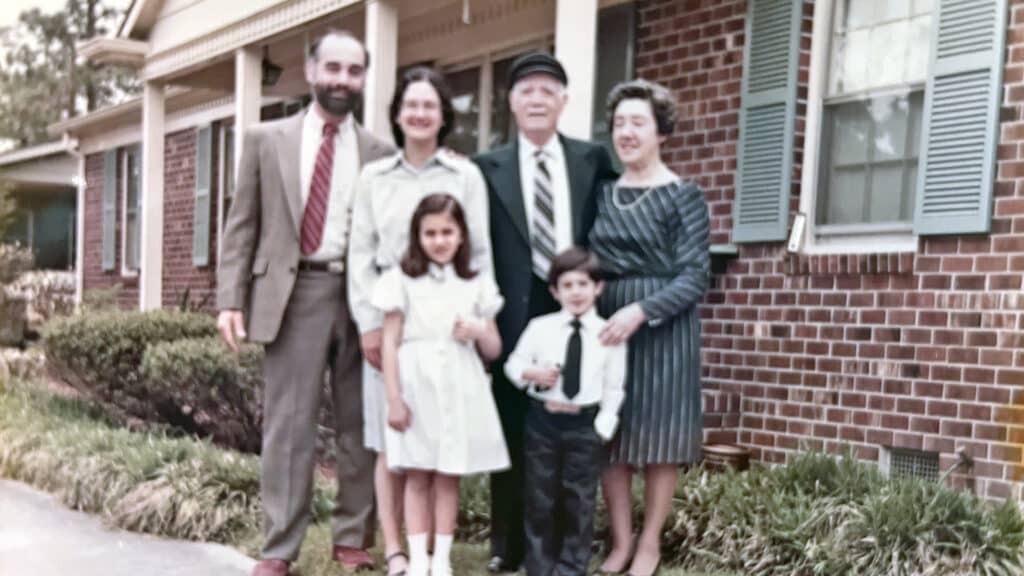
Like most Americans, my ancestors did their best to support their family and community as part of the waves of immigration that help make this beautiful country what it is today.
I’m proud of our country’s welcoming message of hope and freedom as a refuge for the marginalized that’s inscribed upon the base of the Statue of Liberty, a short ferry from the Greenway. Emma Lazarus’ poem shares the ideal we’ve sought through the ages: “Give me your tired, your poor, your huddled masses yearning to breathe free.” It’s up to us to build community among the generations of immigrants who have joined our United States of America, some forced here and others who spent their life savings just to arrive at Ellis Island. Together, we can build a better future. The East Coast Greenway is a key space to foster that togetherness.
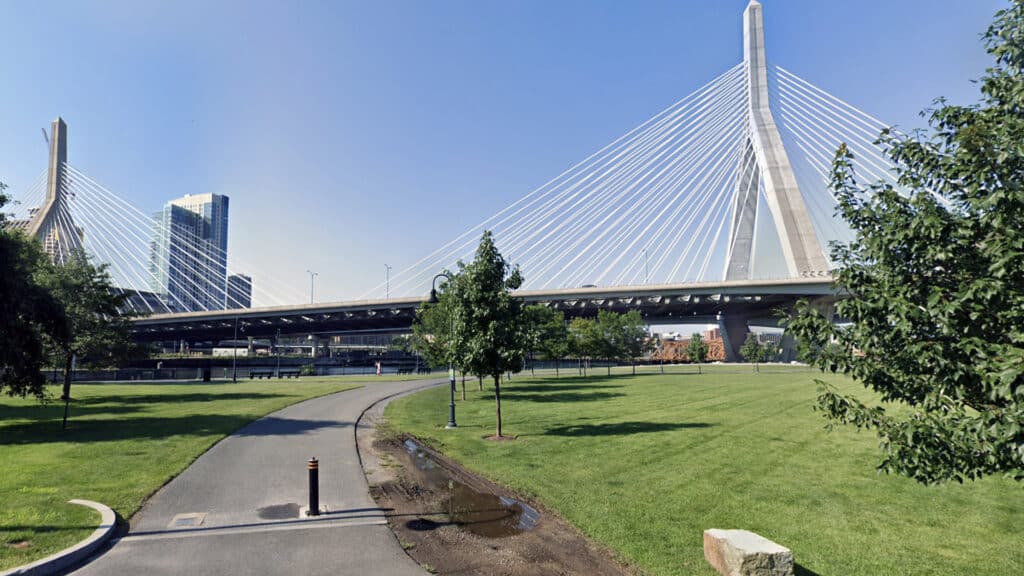
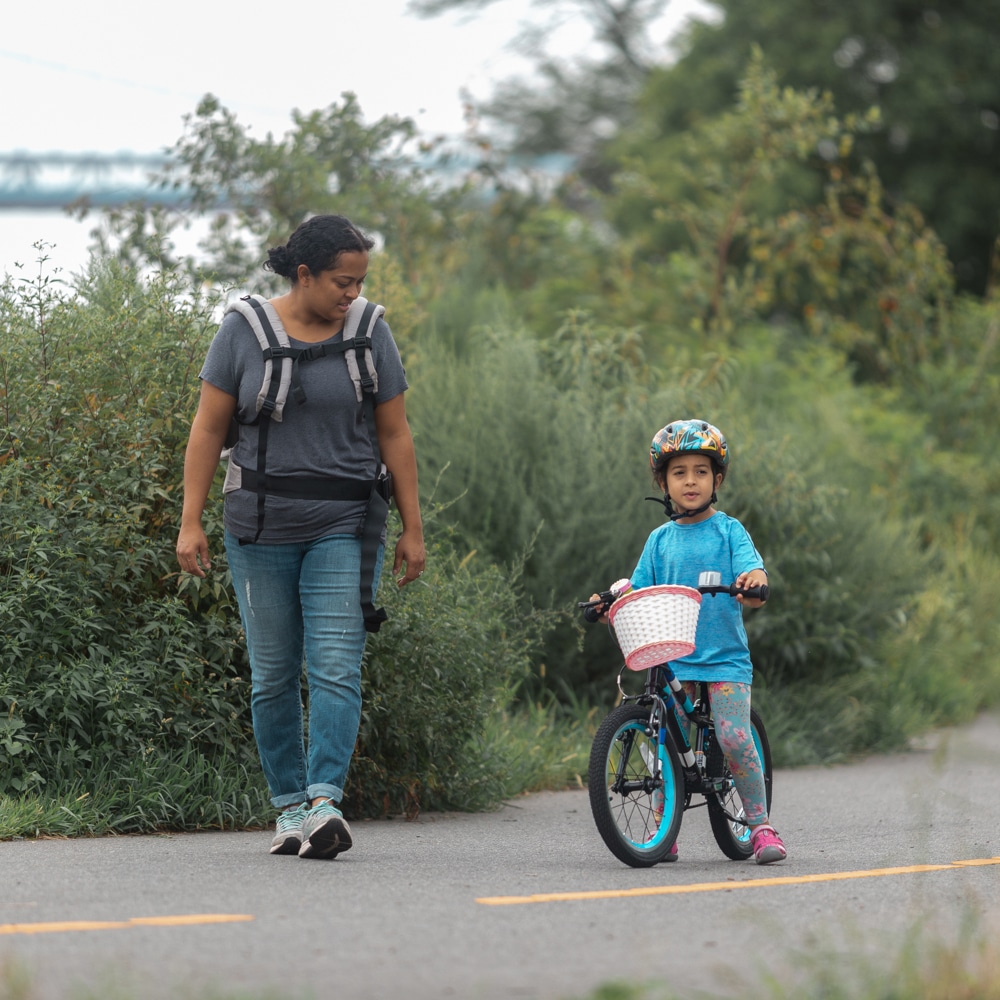
Greenways, parks, and other public spaces are essential to our democracy. They are “third spaces” between home and work that bring different people together and build community. We like to call our Greenway “miles of smiles,” and I’ve seen the sense of connection it can foster between people of all ages and backgrounds. As we build out and activate the Greenway, we can restore the social fabric with connection – a force that our nation needs to be mightier than the tribal fear and anger metastasizing on social media.
Connecting many heroes of American history, I’m especially inspired by the steadfast expression of hope and conviction through the ages. Henry David Thoreau lifted up the right of everyone in the mid-1800s to work for what they feel is right through civil disobedience. Martin Luther King, Jr., and his civil rights movement contemporaries in the mid-1900s deployed those principles so effectively and not only moved our country forward, but also gave us this wisdom as we carry the torch: “Darkness cannot drive out darkness; only light can do that. Hate cannot drive out hate, only love can do that.” And I was happy to see such leadership during the finale of the Super Bowl halftime show from American musician Benito Antonio Martinez Ocasio (“Bad Bunny”): “The only thing more powerful than hate is love.”
In this 250th anniversary of the Declaration of Independence, my hope is that the East Coast Greenway helps you and all of us to spread that love for community in transformative ways. By walking together, running together, biking together, standing together, and sitting on benches together, we can build the social connection that is the bedrock of democracy and civilization.
We will remain different in some ways, and we will share diverse opinions on policy and practice. But by completing a safe and welcoming space for everyone to gather and enjoy being alive, we can restore respect and camaraderie to strive together for a more perfect union and a better tomorrow.
Greenway Stories
News, features and more from throughout the East Coast Greenway corridor