Connect with Gullah Geechee culture on the Greenway
From the North Carolina coast through the Lowcountry to St. Augustine, the East Coast Greenway overlaps with the Gullah Geechee Cultural Heritage Corridor Commission.
First they were Africans, living mostly in rice-growing communities in West Africa. They were enslaved on rice, cotton and indigo plantations along the coast of South Carolina and Georgia. Isolated by the region’s geography of islands and marshy coast, generations of Gullah Geechee retained much of their African roots, resulting in a distinctive culture of arts, crafts, foodways, music and language.
The East Coast Greenway is celebrating the rich Gullah Geechee culture and the work of our partner, the nonprofit Gullah Geechee Cultural Heritage Corridor Commission. Waves of migration during and after slavery eventually established Gullah Geechee communities from Pender County, North Carolina, just north of Wilmington, south to the small town of Armstrong in St. Johns County, Florida. The U.S. Congress established the Gullah Geechee Cultural Heritage Corridor as a National Heritage Area to recognize the area’s concentration of a unique culture.
In 2014, the Gullah Geechee Cultural Heritage Corridor Commission and the National Parks Service formed a unique partnership with the East Coast Greenway Alliance, allowing the Greenway’s spine route to overlap with the Corridor through coastal North and South Carolina, Georgia and Florida. “The partnership uniquely combines placemaking, health advocacy, youth, conservation, green mobility and tourism with cultural retention and economic development,” Herb Hiller, an early Alliance staff member based in St. Johns County, Florida, who worked to build the partnership, said at the time.
Heather Hodges, executive director of the Commission, sees the East Coast Greenway as a perfect answer to the question of how to conserve cultural heritage and protect the environment while also growing local economies.
“We see the East Coast Greenway as a system answer to some of these challenges, a way that you can thread the needle between conserving heritage and the environment while inviting tourists and building local business,” Hodges says. Bicycle tourists bring enthusiasm for local cultures and disposable income without clogging roadways and overwhelming communities.
Hodges sees the appeal of Greenway tourists for larger cities and smaller rural towns. “Charleston is seeing a surge in traffic and a surge in tourism,” she says, “and trying to find alternative, greener ways to move people around.” Meanwhile Awendaw, South Carolina, north of Charleston, is considering a park that could include Gullah Geechee interpretive signs and other attractions. “It’s a small, rural community that’s not looking to change its character, but they do see the opportunity in attracting more tourists from the Greenway.”
For Greenway travelers hoping to learn more about the local Gullah Geechee culture, Hodges recommends two resources: visit nearby National Parks and consult her organization’s calendar of local festivals, particularly in the summer months.
“Our colleagues at the National Parks are doing more and more interpretation of Gullah Geechee life,” she says. “Plus they are open seven days a week and they can handle groups of cyclists coming in and maybe needing water and bathrooms.” One such park: Fort Frederica National Monument on St. Simons Island, Georgia, five miles from the Greenway. Fort Mose Historic State Park just north of St. Augustine, Florida, is another, two miles north of the Greenway (but staffed by volunteers, Hodges notes).
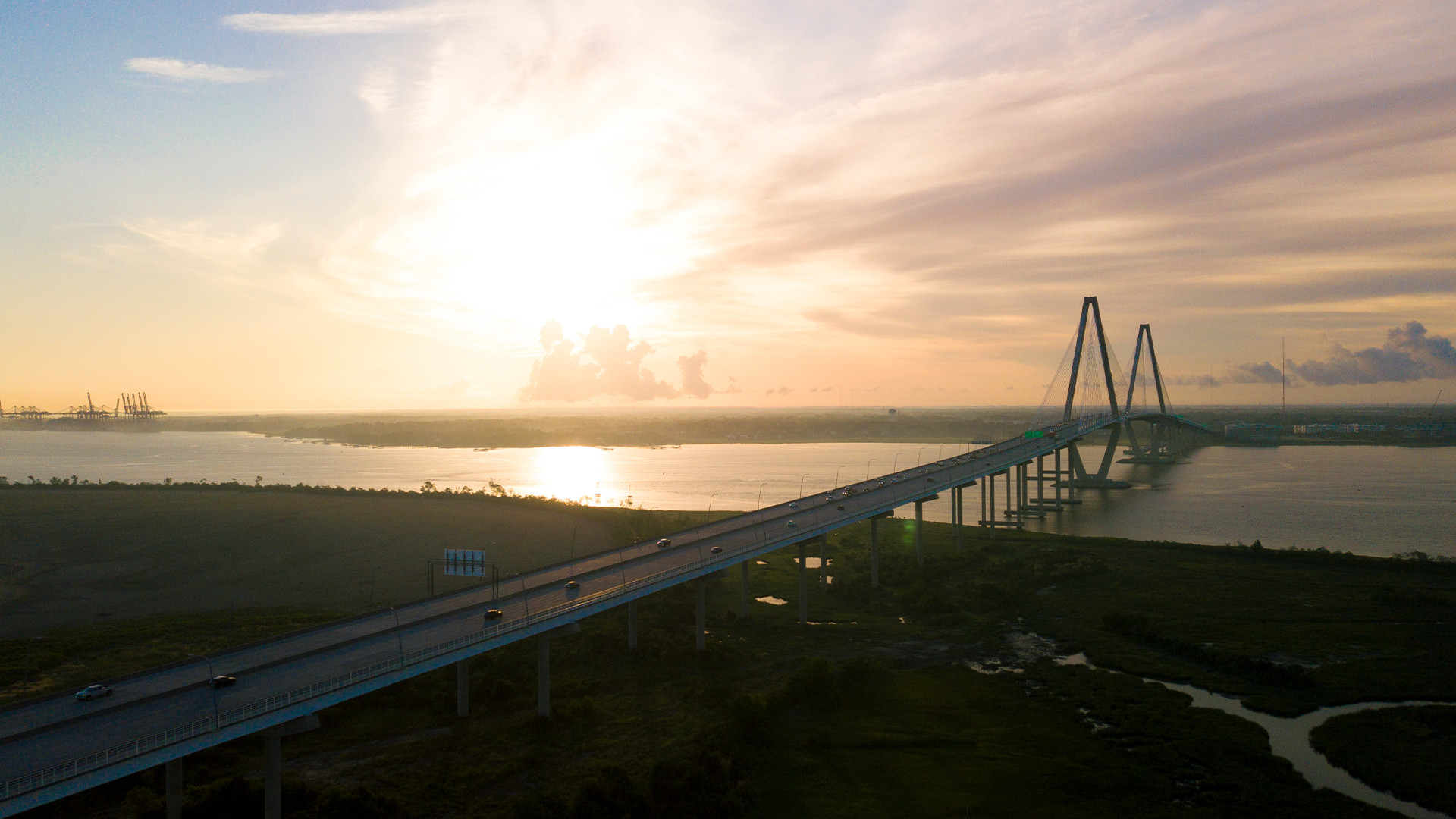
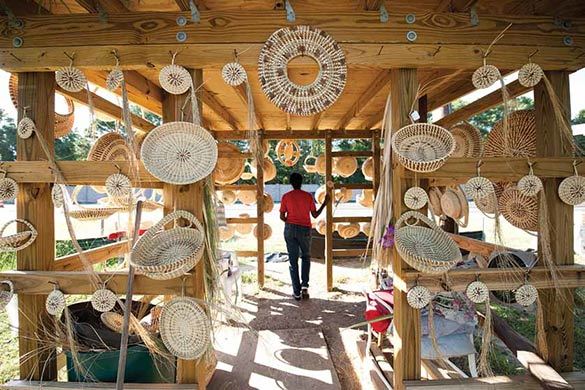
Favorite festivals include the Sweetgrass Cultural Arts Festival in Mt. Pleasant, South Carolina, right on the Greenway at the base of the Arthur Ravenel Bridge that crosses the Cooper River into Charleston. The event celebrates the Gullah Geechee culture and showcases Lowcountry sweetgrass baskets with lectures, demonstrations, and basket vendors. The Taste of Gullah on St. Simons features musical traditions, crafts and food of the Gullah Geechee.
“These are events you can roll right up to on your bike and and enjoy,” Hodges says. Visit gullahgeecheecorridor.org for more event listings.
Increasingly, area plantations are sharing the perspective of the enslaved peoples who lived there and worked the crops. Hodges recommends McLeod and Magnolia Plantations in Charleston, Kingsley Plantation on Fort George Island, Florida, right on the Greenway; and Poplar Grove Plantation in Wilmington, North Carolina.
Greenway Stories
News, features and more from throughout the East Coast Greenway corridor