Myrtle Beach first city to complete its Greenway route
By Jean Crowther
As the dream of a 3,000-mile East Coast Greenway unfolds mile by mile, its leaders know that celebrating the success of each iterative milestone is the fuel that keeps the ambitious vision moving forward.
In 2016, South Carolina gave us one of those important benchmarks. Myrtle Beach became the first city on the route to fully complete its segment of the Greenway. Many towns and communities on the route have achieved this, but Myrtle Beach’s success as the first city underscores the inherent difficulties, as well as the enormous value, that comes with developing urban greenways. Cities are more developed and more populated with fewer undeveloped linear corridors and less flexible space along streets, rail lines and river corridors. Often this also means more hurdles to secure funding and gain approval for capital improvements.
Myrtle Beach’s first ingredient for success: understanding the value of safe, connected places for people to bike and walk. In master planning efforts over the last decade, the City of Myrtle Beach heard residents say they wanted better ways to commute, to stay active and healthy, and to access parks, shopping districts, attractions — and the beach. They saw tourists wanting to explore beyond the beach or golf course. City Council established a Bicycle and Pedestrian Advisory Committee to lead the charge. The planning director and staff looked for cost-effective investments in a safe greenway network.
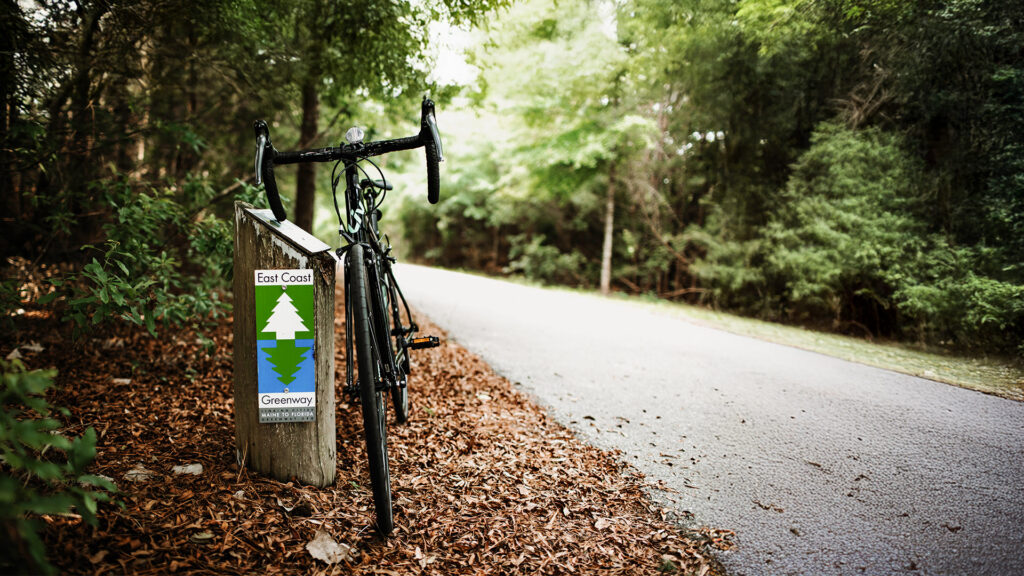
The second ingredient: understanding the value that a greenway of national significance brings to the local economy, the regional profile, and broader goals of health, quality of life and connectedness. Says City Planner Kelly Mezzapelle, “The biggest boost came when a new road was being built and our planning director included a shared-use path in those plans.”
Once that 12.5-mile segment was completed, the regional planning agency prioritized transportation funds specifically for developing the remainder of the East Coast Greenway route. This funding source helped close the final gap in the city’s route, with an additional infusion of capital funds appropriated by City Council. “[Developing the Greenway] absolutely has led to more investment in pedestrian, and bicycle, and trail connections,” Mezzapelle says. “We also see it supporting other programs to develop sports tourism and other economic development efforts.”
The Greenway helped this city fulfill its locally-determined need for improved access, mobility, safety and fun while linking to a national brand that elevates its image as an active, inviting and family-friendly destination.
Jean Crowther is a senior associate with Alta Planning+Design and a former East Coast Greenway Alliance Trustee
Greenway Stories
News, features and more from throughout the East Coast Greenway corridor